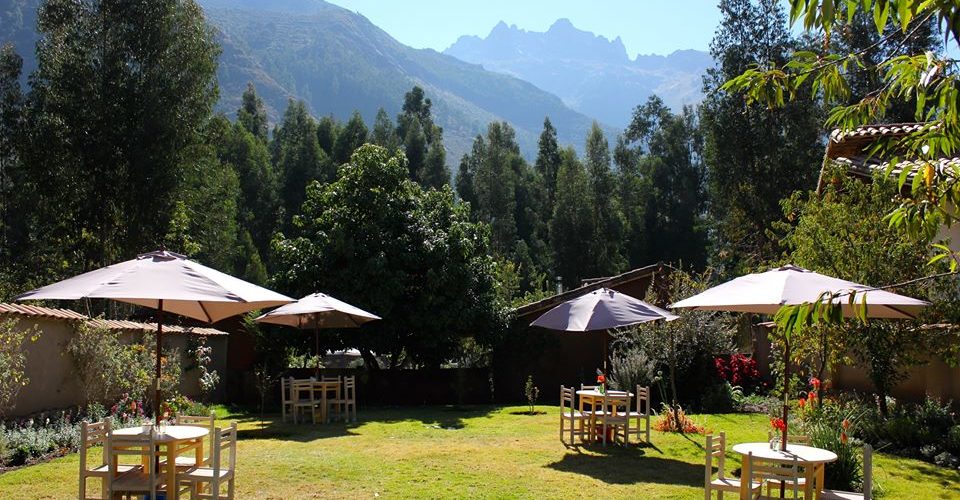
Thinking about moving to Huaran or Arin? These two small communities in Peru’s Sacred Valley offer something increasingly hard to find: a peaceful, rural lifestyle without being far from the conveniences of larger towns.
By Chere Di Boscio
If you’re looking for a quieter alternative to the larger towns of the Sacred Valley, Huaran and Arin are well worth considering.
These neighbouring communities sit roughly between Calca and Urubamba and have become increasingly popular with expats, retirees, remote workers and Peruvians moving out of the country’s larger cities.
And it’s easy to understand why.
The area still feels considerably more rural and peaceful than central Urubamba or Calca. There are agricultural fields, mountain views, walking trails and plenty of greenery, while the larger towns are only a short drive away.
At the same time, the area has developed a small but growing international community, along with cafés, restaurants, retreats, yoga centres and other businesses catering to both local residents and foreigners.
For someone looking for peace and community without being completely isolated, Huaran and Arin can be an excellent combination.
Where are Huaran and Arin?
Huaran and Arin are small communities in the Sacred Valley, located between Calca and Urubamba.
Their central location is one of their biggest advantages. From here, you can travel relatively easily in either direction. Urubamba provides access to a wider range of shops, restaurants and services, while Calca has its own market and everyday amenities.
This makes the area particularly appealing to people who want to live somewhere quiet but don’t want to be completely dependent on a large town.
What is it like to live in Huaran and Arin?
The first thing you’ll notice is how different these communities feel from central Urubamba.
There is much less urban development, and agricultural land remains an important part of the landscape. Most homes have large gardens, and properties can offer considerably more space than you’ll find in the centres of the larger Sacred Valley towns. Perfect for those with small kids and/or pets!
One huge benefit of living here can be the strong sense of community. But it can be both good, and bad. As more foreigners and Peruvian city folks have moved into the area, a small but growing population of non-local people has developed. People tend to get to know one another, and local cafés and businesses often become natural meeting places. That’s the good side. But there can also be some tension between the foreigners (who tend live in small, rented houses, are more ‘eco-minded’ and respectful of the local people) and the Peruvians from Arequipa and Lima, who tend to stick together, close themselves off from local people, and live in gated condominiums.
Of course, this kind of population growth is changing the area.
New houses and developments are popping up like mushrooms as the local people aim to take advantage of rising rental prices, and land that was once agricultural is increasingly being converted to residential use for that reason. The result? Huaran and Arin are not quite the sleepy rural communities they once were.
If you’re considering moving here, it’s worth seeing the area for yourself and asking local residents what has changed in recent years.

Huaran vs Arin
Although people often refer to them together, Huaran and Arin have somewhat different personalities.
Huaran has a more traditional small-town and agricultural feel, with local homes, fields and a growing collection of cafés and businesses. The downside is that the area is well-known for strawberry fields, which are always heavily sprayed by pesticides and fungicides, often causing health issues.
Arin is particularly attractive to people interested in nature and wellness. The area is known for hiking, mountain scenery, retreats and access to the waterfall above the community.
That being said, the two are close enough that residents can easily enjoy what both have to offer.
Housing in Huaran and Arin
As mentioned, one of the biggest attractions of this part of the Sacred Valley is the housing.Compared with the centre of a town such as Urubamba, you can find properties with larger gardens, more outdoor space and spectacular mountain views.
Over the years, an increasing number of houses have also been built with foreign residents in mind, including properties with kitchens, bathrooms, good internet connections and other features that make long-term living more comfortable.
The downside is that demand has pushed prices upward, and the once beautiful countryside is now turning into a suburb.
As more foreigners have discovered the area, some property owners have realised that international tenants and buyers will pay substantially more than local residents. This has driven prices up substantially. For example, when I first moved here in 2017, land in Huaran was around $35 a metre and the average rent for a nice two-bedroom house was around $500 per month. Now, land is over $100 a metre and good two-bedroom houses are renting for as high as $2000 a month.
Before renting or buying, you should always check:
- Internet availability and actual connection speeds
- Water supply
- Heating
- Road access
- Drainage
- Distance from the main road
- Noise levels (dogs, parties and firecrackers can be issues)
- Security
- What is being built on neighbouring land
A spectacular mountain view is wonderful—unless a new building is about to appear directly in front of it.
The expat community
Huaran and Arin have developed a particularly close-knit international community.
It’s smaller than the expat communities in Pisac or Urubamba, which can be both an advantage and a disadvantage.
If you enjoy knowing your neighbours and having a relatively intimate social circle, you’ll probably appreciate the atmosphere.
There are also plenty of opportunities to meet people through local restaurants, cafés, yoga, wellness activities, hikes and community events. But don’t expect the same number of choices you’ll find in Pisac.
Things to do in Huaran and Arin
You don’t need to leave the area every day to find something to do.
The surrounding mountains provide plenty of opportunities for walking and hiking, and one of the best-known local outings is the hike to the waterfall above Arin.
The route takes you away from the valley floor and into the surrounding landscape, making it a popular activity for both residents and visitors.
Arin waterfall
The waterfall is one of the area’s natural highlights.
It’s a rewarding destination if you enjoy hiking, although conditions on mountain trails can change, particularly during the rainy season. Ask locally about the current route and trail conditions before setting out.
One of the pleasures of living in Arin is that an outing like this can become part of your normal life rather than something you have to plan as a special excursion.
Yoga, retreats and wellness
Wellness is another important part of life in the area.
Munay Sonqo in Arin is a retreat and yoga centre with a café and wellness facilities. It has become a popular destination for people looking for yoga, retreats and a relaxing place to spend time.
The centre also has spa facilities, making it possible to combine hiking or other outdoor activities with a little pampering.
Cafés and restaurants
The food scene has grown considerably as more people have moved into the area.
For residents, cafés are about more than food and coffee. They’re places to meet friends, work, read, catch up on local news and become part of the community.
Viva Peru in Huaran is one of the area’s long-standing favourites, while Alto Café in Arin is particularly well known for its homemade sweets and international-influenced lunch menu.
Everyday life and shopping
The downside of living in a small community is that you won’t have every service on your doorstep.
Huaran and Arin have local shops and businesses, but you’ll probably make regular trips to Calca or Urubamba for larger shopping trips, banking, medical appointments and other errands. For many residents, this isn’t a major inconvenience.
The whole point of living here is that you can escape the busy centre while remaining close enough to it when you need it.
If you’re considering a property deep in the countryside, however, think carefully about transportation; a beautiful rural house can become considerably less convenient if you need a taxi every time you want groceries!
Getting around
Colectivos and taxis connect the area with other parts of the Sacred Valley.
Living close to the main road makes public transportation relatively straightforward.
Further away, having your own vehicle becomes much more useful.
If you’re planning to live here without a car, test the commute before renting a property. Take the local transportation, walk from the house to the main road and find out how easy it is to get a taxi.
What looks like “five minutes from town” on a property listing can feel very different when you’re carrying groceries home.
What you need to know about living here
Security
Thieves have figured out that more expats = more electronic stuff they can rob. And as a result, burglaries have risen in this area.
Since many people have decided a dog or two is the best kind of security, unfortunately, thieves poison them to access homes.
Theft is still far less frequent than it is in most cities, and I’ve never heard of a violent robbery, but you should just be aware of this.
Garbage collection in Huaran and Arin
Here’s one very practical detail that newcomers often need to know.
Garbage collection has traditionally taken place on Wednesdays and Saturdays, with rubbish placed at designated covered collection points known locally as carpas along the pista, or main highway.
Schedules and collection arrangements can change, so confirm the current timetable with your neighbours or local municipality when you move in.
It’s one of those small details that you’ll quickly learn once you live here—but it’s useful to know before you arrive!
Pros of living in Huaran and Arin
- Beautiful mountain scenery
- Quieter and greener than central Urubamba or Calca
- Larger houses and gardens are available
- Many properties have modern conveniences
- Friendly, tightly knit expat community
- Increasing number of cafés and restaurants
- Excellent walking and hiking opportunities
- Arin waterfall is nearby
- Yoga, retreats and wellness activities
- Convenient location between Calca and Urubamba
- Easy access to larger towns when you need them
- More peaceful rural lifestyle without being completely isolated
Cons of living in Huaran and Arin
- The area is becoming increasingly developed
- More construction, traffic and noise in some areas
- Property and rental prices have risen
- Fewer shops and services than in Urubamba or Calca
- Rural properties can require a car or regular taxis
- Agricultural activity, including pesticide use, is something to consider when choosing a property
- Internet quality can vary depending on location
- Expensive homes require extra attention to security
- The area’s peaceful character is gradually changing as more people move here
Is Huaran or Arin a good place to live?
For the right person, absolutely.
Huaran and Arin offer something that can be surprisingly difficult to find in the increasingly popular Sacred Valley: a rural setting, a friendly community and plenty of space, without being too far from the conveniences of everyday life.
You can have a garden and mountain views. You can walk to a café. You can hike to a waterfall on the weekend. You can meet friends for lunch and still be close enough to Urubamba or Calca when you need a supermarket, bank or other service.
But this is also an area in transition.
The same popularity that has brought better houses, more cafés and a growing international community has also brought higher property prices, more construction and increasing development.
So if you’re considering moving here, take the time to explore beyond the obvious.
Visit on a quiet weekday as well as a busy weekend. Drive down the smaller roads. Look at the properties that aren’t right on the main road. Talk to local residents. Find out what is being built nearby.
Most importantly, don’t just visit Huaran and Arin—try living here for a while.
After a few weeks, you’ll know whether you love the quiet mornings, mountain views and close community, or whether you would prefer the greater convenience and activity of somewhere like Urubamba or Pisac.
For those who want a little more peace, a little more space and a strong sense of community, Huaran and Arin may be two of the Sacred Valley’s best-kept secrets—although they’re becoming less secret every year.

