


By Lora O’Brien
Peruvian food is one of the world’s great culinary melting pots, combining Indigenous Andean ingredients with Spanish, African, Chinese and Japanese influences. From ceviche and lomo saltado to papa a la huancaína and tamalitos verdes, these traditional Peruvian dishes showcase the extraordinary variety of Peru’s cuisine.
Indeed, cuisine here is different from other Latin American countries, thanks to a culturally diverse population, an abundance of fresh, natural ingredients and of course, creative and talented chefs.
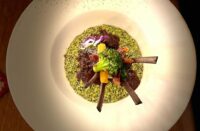
Speaking of which, we went all the way to the Sumaq Hotel, a stunning luxury property just at the base of the cloud forest surrounding Machu Picchu, to talk about food with their top rated chef, Carlos Pardo Figueroa. The Sumaq takes Peruvian cuisine seriously, offering guests cooking courses and altering menus to suit vegan and vegetarian needs. Some of the drool-worthy dishes we tried there included avocado risotto, mushroom ‘cappuccino’ and vegan ceviche.
Interestingly, the hotel incorporates indigenous Peruvian traditions into the experiences of its guests. For example, the culinary tradition of the Incas called Pachamanca, demonstrates how a traditional Andean meal is prepared: hot stones are placed to form an underground oven for local ingredients such as potatoes, fava beans and herbs. All the ingredients are capped with large leaves before the ‘oven’ is sealed up with earth, cooking the food with the heat of the stones. When the meal is finally ready, a memorable lunch is shared with the Andean natives, and an offering to Pachamama is given in thanks for the succulent meal.
We asked Chef Figueroa to tell us more about Peruvian food traditions.

How would you define Peruvian food?
To define Peruvian gastronomy, we need to understand the geography and climate of Peru. We have three main regions: the coast, sierra and the Amazon. In these regions, we have 16 different altitudes, each one crowded with many micro climates. As a result, Peru has one of the largest collections of flora, fauna and foods in the world.
Our country was even named for this exceptional abundance. Peru comes from the Aymara word Pirwa, which the Aymaras (native Peruvians long before the Incas) used to call these lands. In their language, Pirwa meant “land of abundance” or “the storage of life.”
Add to this cultural influences: First, there are the Inca and pre-Inca cultures, our legacy. Then the conquerors who brought Spanish influence. With the Spanish came the Africans as slaves, adding their culture. Later, Chinese labourers replaced the Africans, and then we had many immigrants fleeing the World Wars, especially Japanese and Italians. As a result, we have many different cultural influences that have shaped the cuisine of our country.

What are the essential herbs in Peruvian cooking?
We use native herbs including Muña (a kind of mint), Chincho, Paico and Huacatay. We refer to them as “Andean herbs” Another main herb is cilantro and, in some cases for beverages, lemongrass. A curious point: we give more importance to aji (chili) than herbs.

What are some classic vegetarian Peruvian dishes?
- Ceviche
- Pachamanca (veggies cooked in an earthen pot)
- Stewed quinoa, as well quinoa in salads
- Papa a la huancaina y ocopa arequipeña (potatoes in chili cream)
What exactly is ceviche?
Ceviche is normally fish “cooked” in a marinade of lime juice with salt, chili, cilantro, onion and often other ingredients. Since the marinade for ceviche is vegan, we can substitute fish with any tender vegetable the guest prefers. We prepare Andean mushrooms ceviche, artichoke ceviche, confit tomatoes ceviche and other versions.
The “sauce” or marinade for the ceviche is the result of the fish protein cured with lime juice and salt. We normally add to this sliced red onion, minced aji limo (chili) and chopped cilantro. The juice that results from this marinade has a strong salty-acid flavor, which we call “leche de tigre” (tiger’s milk).
As the protein cures in the lime and salt, it starts to turn into a white milky colour, and when you taste it the flavour is so intense it makes you “roar like a tiger.” The ingredients for the marinade depend on the type of fish being used.
With tuna, for example, adding ginger and sesame creates amazing flavours. Adding dill and orange or passion fruit is sensational with salmon. The base of ceviche will always be fish, lime, salt, onion, chili and cilantro, and from there you can go crazy with combinations.

Traditional Peruvian dishes and plant-based Peruvian recipes
Many of the most famous Peruvian dishes are naturally based around vegetables, potatoes, corn and grains, while others can be adapted surprisingly easily for vegan and vegetarian diets.
Pachamanca is one of the most fascinating examples. This ancient Andean culinary tradition involves cooking potatoes, fava beans, herbs and other local ingredients underground using hot stones. At the Sumaq Hotel, the meal is prepared beneath layers of leaves and earth, then shared as a communal feast.
Ceviche is another quintessential Peruvian dish. Traditionally made with fish cured in lime juice, salt, chilli, onion and coriander, it can also be adapted using vegetables or fruit. Chef Figueroa told us that the Sumaq prepares versions using ingredients such as Andean mushrooms, artichokes and tomatoes.
Below you’ll find 25 Peruvian recipes ranging from savoury classics to drinks and desserts. Some are traditional Peruvian dishes, while others put a modern vegan or vegetarian spin on Peru’s much-loved flavours.
1. Causa Limeña
Causa limeña is one of the most distinctive Peruvian dishes, made from seasoned mashed potatoes layered with fillings. The classic dish can contain avocado, egg, chicken, tuna or other fillings, while this version offers plant-based alternatives.
Peru is famous for its extraordinary variety of potatoes, making this humble-looking dish a particularly delicious expression of Peruvian food. It’s also beautiful when assembled in layers, so it makes an impressive starter or light lunch.

2. Arroz Tapado
This elegant dish normally contains meat on a bed of rice, ‘topado’, or topped, with more rice, plus cilantro or shaved red onion. Here, mushrooms take the place of meat. This is another of those Peru food recipes that’s not vegan, but if you’re not ‘vegg-an,’ you can just eliminate it with no biggie.

3. Tamalitos Verdes
Tamalitos verdes are a traditional Peruvian dish made with fresh corn and coriander. The mixture is wrapped in green corn husks and steamed, creating soft, fragrant little parcels that work beautifully as an appetiser or side dish.
Fresh corn is an important ingredient in Peruvian cuisine, and these tamalitos are a wonderful way to experience its natural sweetness alongside the fresh flavour of coriander.

4. Crema de Zapallo
Is there anything better than a wonderfully creamy, warming soup? And ‘crema de zapallo’, or basically, creamy pumpkin soup, is ubiquitous in Peru! There are large, local pumpkins that Peruvians use for this recipe, but could use any kind of fresh pumpkin, or even a butternut squash.

5. Peruvian Quinoa Stew
Quinoa has been cultivated in the Andes for thousands of years and remains one of Peru’s most important ingredients. This colourful Peruvian quinoa stew combines it with an assortment of vegetables for a hearty, plant-based meal.
It’s also wonderfully straightforward. Once the vegetables have been prepared, the stew cooks quickly, making this one of the easier Peruvian recipes for a weeknight dinner.

6. ‘Lomo’ Saltado con Risotto
Lomo saltado is one of the most famous Peruvian dishes, reflecting the Chinese influence on Peruvian cuisine. The traditional dish combines stir-fried beef with tomatoes, onions, soy sauce, rice and French fries.
This recipe gives the classic Peruvian-Chinese combination a contemporary twist by turning it into a risotto and replacing the beef with portobello mushrooms. The result is creamy, savoury and packed with the flavours associated with lomo saltado.

7. Raw Tallarines Verdes
Tallarines verdes is a beloved Peruvian pasta dish with Italian roots, traditionally made with a vibrant green herb sauce. This raw version replaces conventional pasta with zucchini noodles and uses cashews in place of cheese.
It’s a fresh, plant-based interpretation of one of the more unexpected Peruvian dishes, demonstrating just how extensively Italian culinary traditions have been absorbed into Peruvian food.

8. Vegan Papa a la Huancaína
Papa a la huancaína is a classic Peruvian dish of boiled potatoes covered in a creamy, spicy yellow chilli sauce. Traditionally, the sauce contains cheese, but this vegan interpretation uses seeds, vegetables and spices to create a rich plant-based alternative.
The contrast between the soft potatoes and the creamy, spicy sauce makes this one of those Peruvian recipes that is simple, comforting and enormously satisfying.

9. Papa Rellena (A Thousand and One Stuffings)
Papa rellena is one of Peru’s best-known stuffed potato dishes. Traditionally, mashed potato dough surrounds a savoury meat filling before the whole thing is fried. This vegan version replaces the meat and dairy with mushrooms, tomatoes, peppers and sweet onions.
You can fry the potato parcels for the traditional crisp exterior or bake them instead. Either way, this is one of the heartier Peruvian recipes in this collection.

10. Vegetarian Menestron (Peruvian Minestrone)
Menestrón is Peru’s take on Italian minestrone, transformed by the ingredients available in the country. Instead of the tomato-heavy base you might associate with Italian minestrone, Peruvian menestrón can contain ingredients such as potatoes, yuca, corn, pumpkin, sweet potato and fava beans.
It’s a great illustration of how immigration and local ingredients have combined to create something distinctly Peruvian.
This is another of those Peru food recipes that does call for cheese – either opt for your own vegan feta or just skip it.

11. Vegan Peruvian Ceviche (Mango Ceviche)
Ceviche is probably the Peruvian dish most closely associated with the country’s cuisine, and you don’t need fish to enjoy its wonderfully sharp, fresh flavours. This vegan version swaps seafood for juicy mango, combined with red onion, chilli, lime juice and coriander.
Traditional ceviche relies on the acidity of lime juice to cure fish, while this plant-based version lets the fruit itself take centre stage. It’s light, colourful and refreshing, and makes a lovely introduction to Peruvian food if you’re new to the cuisine.

12. Lima Bean Hummus
Lima beans are named after Lima, Peru’s capital, and they’re an excellent ingredient for a creamy, plant-based dip. In this recipe, they replace the chickpeas normally used in hummus, giving the dish an especially buttery texture.
While hummus itself isn’t a traditional Peruvian dish, using Lima beans gives this recipe a distinctly Peruvian connection and makes it an interesting way to cook with an ingredient associated with Peru.

13. Quinoa Stuffed Sweet Potatoes
Sweet potatoes and quinoa are both wonderful ingredients for plant-based cooking, and together they make a satisfying and nutritious meal.
This isn’t a traditional Peruvian dish, but it draws on ingredients that have deep roots in the cuisine and agriculture of the Andes and wider South America. It’s a good option if you’re looking for modern Peruvian-inspired recipes rather than strictly traditional Peruvian food.

14. Herb & Garlic Amaranth Crackers
This recipe calls for amaranth flour to create crackers that are crispy, have a slight nutty taste infused with both herbs and garlic, and I won’t lie to you – you’ll struggle to keep your hands off of these when they come out the oven. Use them to dip into some Lima bean hummus!

15. Peruvian Quinoa Porridge
Quinoa isn’t only for savoury Peruvian dishes. This breakfast porridge combines quinoa and amaranth to create a nourishing start to the day.
Amaranth is another ancient grain associated with the Americas, and its slightly nutty flavour works particularly well in a warm breakfast bowl. Add fresh berries and pomegranate seeds for colour and sweetness, and use maple syrup or agave instead of honey for a fully vegan version.

16. Maple & Orange Amaranth Granola
Once cooked, amaranth has a huge amount of nutritional value and is an excellent source of both protein and fibre, so using it to make granola is a great way to start your day and get your engine running. The amaranth is toasted in this granola and tastes similar to an oatmeal cookie, and it’s delicious! Enjoy with some coconut yogurt for a quick yet fuelling go-to breakfast.

17. Seasonal Grapefruit Quinoa Salad
This colourful quinoa salad combines the nutty grain with sharp grapefruit, dates and pecans. Quinoa is deeply associated with the Andes and is one of the ingredients that has helped make Peruvian food increasingly popular around the world.
It’s a fresh and easy way to incorporate an ingredient central to many Peruvian recipes into a contemporary salad.

18. Peruvian Hot Chocolate
Coffee is all fine and well, but a really good hot chocolate? Next level!
Peruvian hot chocolate gets its distinctive flavour from warming spices such as cinnamon and allspice. It’s especially comforting on cool evenings in the Andes, although there’s no reason not to enjoy it wherever you happen to be.
For a vegan version, use your favourite plant-based milk and substitute condensed coconut milk for traditional condensed milk.

18. Peruvian Chica Morada
Chicha morada is one of Peru’s most distinctive non-alcoholic drinks. Its spectacular deep purple colour comes from Peruvian purple corn, which is simmered with cinnamon, cloves and pineapple skin before being finished with fresh lime and sugar.
Refreshing and gently spiced, chicha morada is a brilliant introduction to Peruvian ingredients and one of the easiest Peruvian recipes in this collection to try.

19. Champus
Champús is a traditional Peruvian fruit dessert that can be served either hot or cold. The recipe is adaptable, so you can vary the fruit according to the season and what’s available.
Light and fruity, it makes a refreshing change from heavier desserts and gives this collection of Peruvian recipes a taste of traditional Peruvian sweets.

20. Banana & Chocolate Alfajores with Peanut Butter & Coconut
Alfajores are traditional South American sweets, and Peru has its own much-loved versions. This contemporary recipe combines banana and chocolate with peanut butter and coconut for a plant-based take on the classic confection.
Cacao is another ingredient with deep roots in the region, making these a delicious way to finish a meal inspired by Peruvian food.

Frequently Asked Questions About Peruvian Recipes
What are some traditional Peruvian recipes?
Some of the best-known traditional Peruvian recipes include ceviche, causa limeña, papa a la huancaína, papa rellena, tamalitos verdes, arroz tapado, lomo saltado and tallarines verdes. Peruvian cuisine varies considerably between the coast, the Andes and the Amazon. So traditional Peruvian dishes can be very different depending on the region.
What is the most famous Peruvian dish?
Ceviche is probably the dish most closely associated with Peruvian cuisine internationally. It is traditionally made with fresh fish cured in lime juice and seasoned with ingredients such as ají and red onion. Other internationally popular Peruvian dishes include lomo saltado, causa limeña and papa a la huancaína.
What are some easy Peruvian recipes to make at home?
Causa limeña, papa a la huancaína, chicha morada, quinoa dishes and Peruvian-style ceviche can all be adapted for home cooking. This collection also includes a range of easy vegetarian and vegan Peruvian recipes, making it possible to explore the flavours of Peruvian food without using meat or dairy.
Are there plant based Peruvian recipes?
Yes. Peruvian cuisine has a wide variety of naturally vegan and vegetarian dishes and recipes that can be adapted without meat. Quinoa, potatoes, corn, beans and other plant-based ingredients are central to many Peruvian dishes. Vegetarian options include papa a la huancaína, causa limeña, and tamalitos verdes, while mango ceviche, crema de zapallo and vegan papa a la huancaína are vegan.
What ingredients are commonly used in Peruvian food?
Potatoes, corn, quinoa, amaranth, beans, sweet potatoes and ají peppers are among the ingredients commonly associated with Peruvian cuisine. Fresh herbs such as huacatay, muña, chincho and paico are also important in traditional cooking, particularly in the Andes.
What makes Peruvian recipes unique?
Peruvian cuisine is shaped by an extraordinary combination of geography, Indigenous food traditions and centuries of cultural exchange. Peru’s coast, Andes and Amazon each have distinctive ingredients and cooking traditions, while Spanish, African, Chinese, Japanese and other influences have become part of the country’s culinary identity.
What are the best Peruvian dishes to try?
Some classic Peruvian dishes to try include ceviche, causa limeña, papa a la huancaína, papa rellena, lomo saltado, arroz tapado and tamalitos verdes. If you are looking for plant-based options, there are also many vegetarian and vegan Peruvian recipes featuring potatoes, quinoa, corn, beans and other native ingredients.
Is Peruvian food spicy?
Some Peruvian dishes are spicy, particularly those made with ají peppers, but Peruvian food is not uniformly hot. Ají peppers are used for their distinctive flavour as well as their heat, and the amount used can vary considerably from one recipe to another.
What is leche de tigre?
Leche de tigre is the citrusy, seasoned liquid associated with Peruvian ceviche. It uses ingredients such as lime, onion, chilli and seasoning. It is an important part of Peru’s ceviche tradition and is also served as a drink or appetiser in some contexts.
Peruvian recipes: from the Andes to your kitchen
What makes Peruvian food so fascinating is that there isn’t one single definition of Peruvian cuisine. The country’s extraordinary geography provides an abundance of ingredients, while its history has brought together Indigenous, European, African, Chinese, Japanese and other culinary traditions.
The result is a collection of Peruvian dishes that can be incredibly traditional one moment and wonderfully inventive the next. A potato dish might have roots stretching back thousands of years; a stir-fry might reflect Chinese immigration; a pasta dish might reveal the influence of Italian settlers.
And then there are the ingredients themselves. Quinoa, amaranth, purple corn, potatoes, sweet potatoes, avocados and countless varieties of chilli and herbs have helped make Peruvian food increasingly celebrated around the world.
So whether you’re looking for traditional Peruvian dishes, easy vegan Peruvian recipes, healthy plant-based meals or simply new ways to cook with Andean ingredients, there’s plenty here to explore.
After all, you don’t have to travel all the way to Lima or Cusco to enjoy the flavours of Peru. Start with one of these Peruvian recipes, pour yourself a glass of chicha morada, and bring a little Peruvian food into your own kitchen.

